Feeds:
Posts
Comments

A true artist restores your sense of beauty, wonder and awe. Watching the swirling tail of a goldfish glint in sunlit water will do the same. The light speaks to you in a language only your eyes can understand, offering up changes in colors so subtle, yet so distinct if only attended to, that a part of your soul begins to understand secrets heretofore unknown…

A three dimensional painting–yes, painting–by Japanese artist Riusuke Fukahori. (Please see the video below to witness its creation.)

I’ve always loved the way goldfish tails refract light and show you motion in its most delicate nuances, and how the shining orange of their scales looks like no other color anywhere. (It makes me wish for an English word more elegant than “orange” to describe it. “Passion” would be a good choice except it’s already taken.) It’s one of those colors that burns into your retinas, like the red of Sylvia Plath’s Tulips:

The tulips are too red in the first place, they hurt me.
Even through the gift paper I could hear them breathe

. . .
The tulips should be behind bars like dangerous animals;
They are opening like the mouth of some great African cat,
And I am aware of my heart: it opens and closes
Its bowl of red blooms out of sheer love of me.

I remember staring at the lone, red tulips in the backyard of my college farmhouse on summer days while reading Plath, and thinking–yes–they are simply too intense for the eyes to bear. Like the glints of light shining back at you from a goldfish tail through mirrors of water, these colors announce their presence as if characters in the novel of your life.

~ ~ ~

My love of goldfish in art began with my first Matisse, torn from the back cover of a Reader’s Digest so I could tape it to my wall. This was one of my first glimpses of Art and the beginning of a lifelong affair:

Henri Matisse, The Goldfish, Hermitage, Saint Petersburg,1910

I spent a lot of time in my room as a teenager, and not always by choice. This gave me a lot of time to consider the goldfish on my wall. I escaped into my art, refusing despair in place of inspiration. To focus on beauty and transcendence became my main motivation–and my revenge. To me the goldfish came to represent the magic hidden in plain sight, and the mystery in everyday life. They became messengers offering solace in their otherworldly color and grace, and their beauty was a reminder that there was more waiting for me in my life than what I could see in that moment around me.
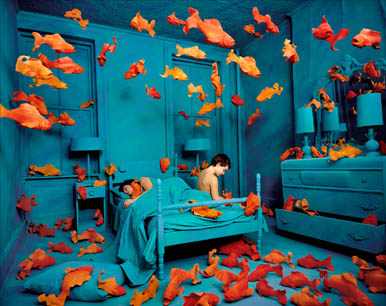
Revenge of the Goldfish, Sandy Skoglund, Installation

For more than twenty years now I’ve felt my heart leap a little every time I see a goldfish depicted in art. (It’s like a delicious secret I share with myself, a love no one knows of but me.)

~ ~ ~

Imagine my delight the other day when a friend sent me this video. I’m always amazed by Japanese artistry but seeing this master at work really carved a canyon in my day:

“Goldfish Salvation” Riusuke Fukahori from ICN gallery on Vimeo.

~~~~~~~~~~~~~~~~~~~~~~~~~~~~~~~~~~~~~~~~~~~~~~~~~~~~~~~~~~~~~~~~~~~~~~

Inspiration can be such a peculiar and personal thing…where do you find yours?

~~~~~~~~~~~~~~~~~~~~~~~~~~~~~~~~~~~~~~~~~~~~~~~~~~~~~~~~~~~~~~~~~~~~~~
I love language. I adore the sound of it, the variety, the archaeology inherent in the history of words. I like its curlicues and marble arches of sound. Sometimes language makes me dance with the pure beauty of it, singing to me over centuries with all the grace and wry delight an author intended long before his death. I am tickled that to speak in French I must pout my mouth and shrug, and that the act of saying a few phrases sends me into a completely different frame of mind.  How exciting that our cultural attitudes are encoded in our phonemes, just as our red hair or almond eyes are encoded in our genes.

I have a client at the moment who is completely new to the idea of language as ecstasy. I strongly believe we will never be truly skilled at something unless we adore it and can find the bliss inside its pursuit. I am now charged with communicating my passion for sounds and language and writing in a way that he will understand.  In the process I am discovering my own passion once again.

To me writing is a lot like sculpture. The sounds are shapes, and the creation of a phrase is like carving out a new being, unique in all the world. To link these phrases together piece to piece is the beginning of an elaborate architecture. To build a cogent argument out of long boards and planed bricks is to discover clarity out of chaos, and we all breathe a sigh of relief when we can see that the floor supports us and the walls can stand.  We can finally climb the stairs and see the outline of the cathedral in the distance, whereas for so long we have only heard the bells. The marble angels carved out of the fountain stone can finally sing and their song is heard by passersby miles away on the other side of town and time.

This is the thrill of creation and communication, all made possible with words.


Notre Dame De Paris 1 Temps de Catedrali High Quality – YouTube.

Filling the Well

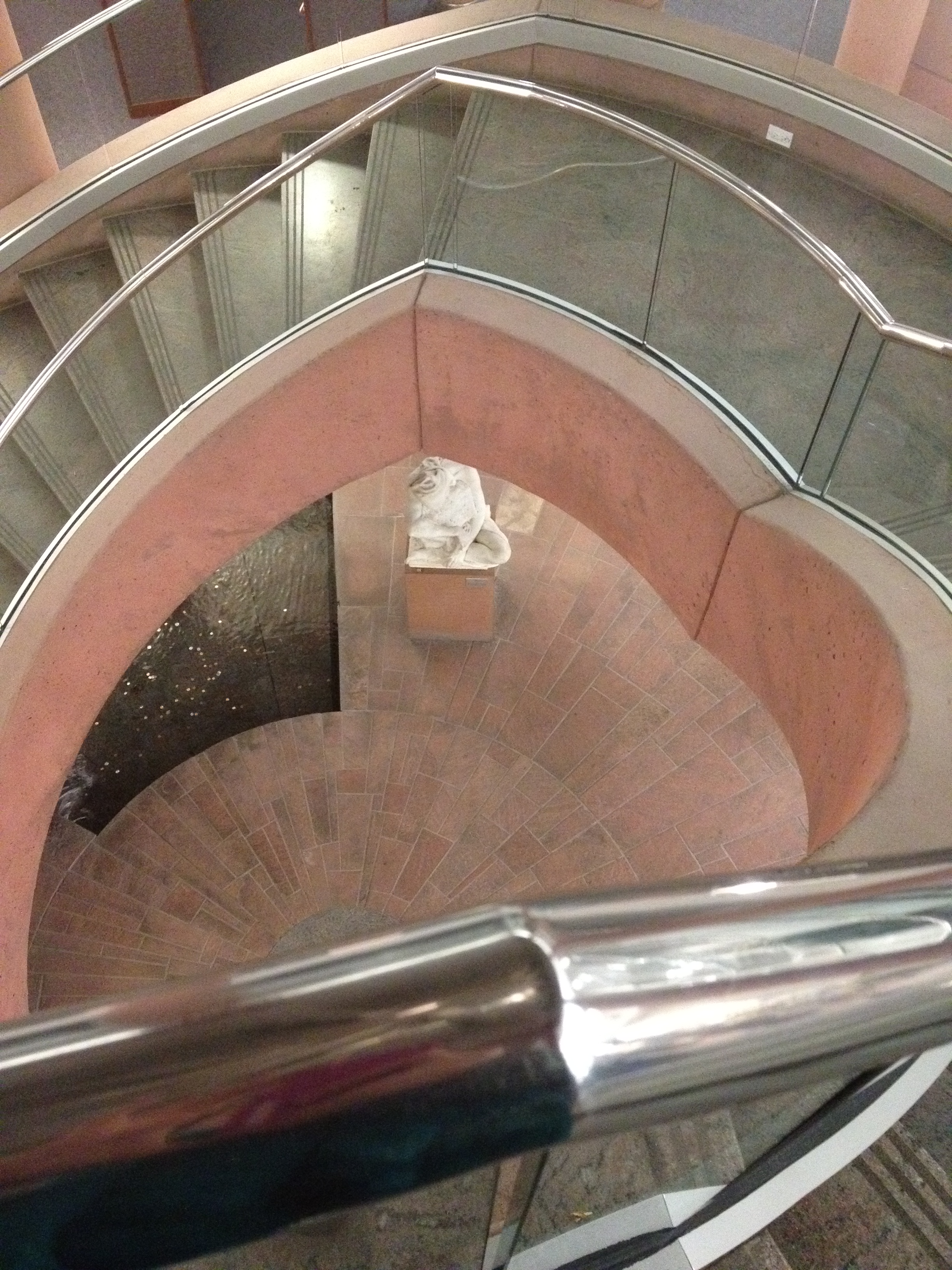
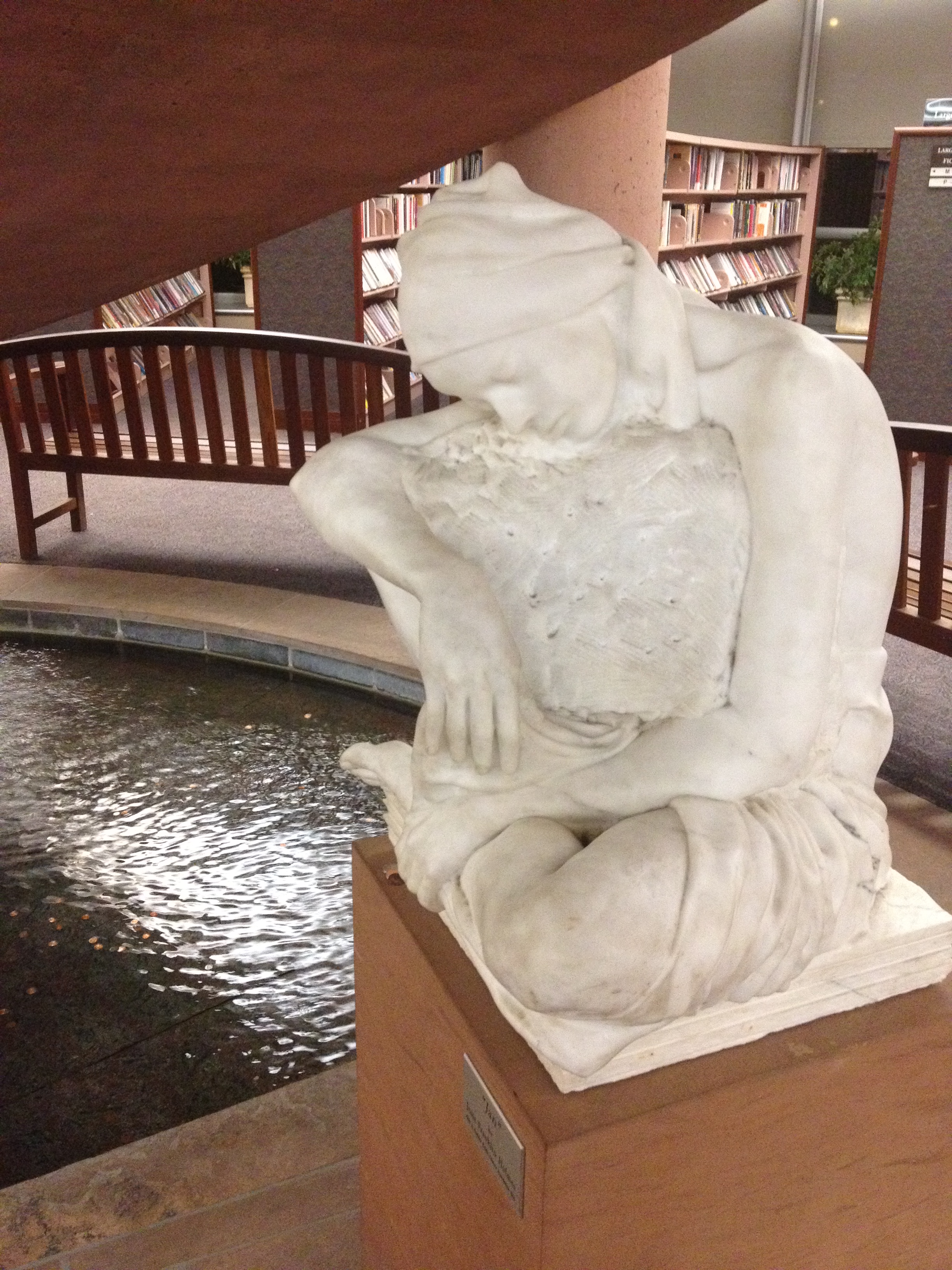
She is hidden there–under the stairs– a beauty in white marble lulled to sleep by the water flowing next to her. She is the keeper of wishes and the goddess of the wishing well. The coins sparkle under ripples. She is warmed with pink stone, and if you choose to sit with her, it will be at a respectful distance, back to back.

It is her quiet company I seek sometimes when I am feeling overwhelmed or drawn out or lacking in some way. Visiting the well replenishes me and restores some clarity, presence and grace to an otherwise hectic life.

Join me for a moment:

Wishing Well Fountain at the Boulder Library – YouTube.

Wishing Well Fountain at the Boulder Library–from above – YouTube

And why not toss in a coin, make a wish~

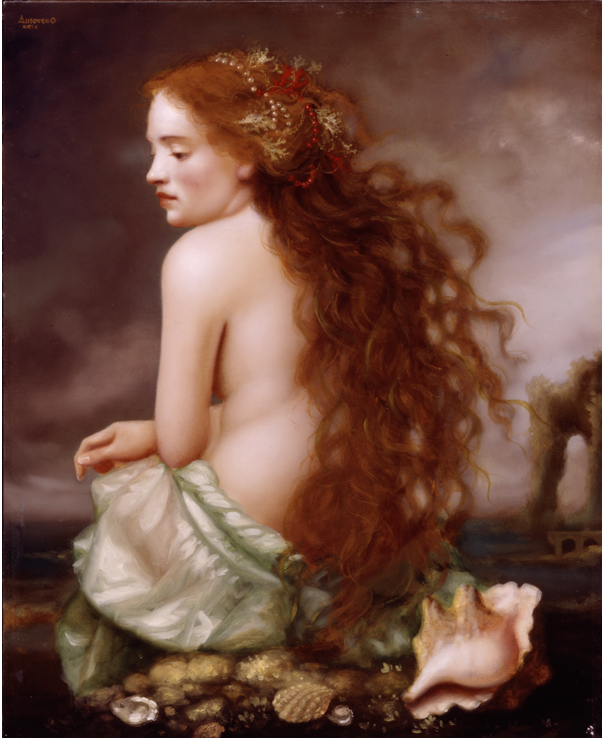
The Little Mermaid by Amoreno

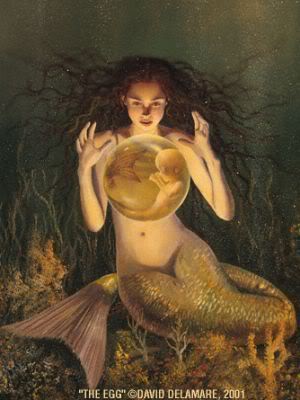
For the full story of the Mermaid’s Evening, listen and watch:

Tori Amos – Silent All These Years – YouTube.

~~~~~~~~~~~~~~~~~~~~~~~~~~~~~~~~~~~~~~~~~~~~~~~~~~~~~~~~~~~~~~~~~~~~~~~~~~~~~~~~~~~~~~~~~~~~~~~~~~~~~~~~
“Silent All These Years”

[excerpted lyrics]

But what if I’m a mermaid
In these jeans of his
With her name still on it
Hey but I don’t care
Cause sometimes
I said sometimes
I hear my voice
And it’s been here
Silent All These Years
So you found a girl
Who thinks really deep thougts
What’s so amazing about really deep thoughts?
Boy you best pray that I bleed real soon
How’s that thought for you

Years go by
Will I still be waiting
For somebody else to understand
Years go by
If I’m stripped of my beauty
And the orange clouds
Raining in head
Years go by
Will I choke on my tears
Till finally there is nothing left

But what if I’m a mermaid
In these jeans of his
With her name still on it
Hey but I don’t care
Cause sometimes
I said sometimes
I hear my voice

And it’s been here
Silent All These Years
I’ve been here
Silent All These Years

Life on land comes at a cost…

[Photo by Michael Eastman, as found on Fauxology]

Fable Of The Mermaid And The Drunks by Pablo Neruda – YouTube.

(Read by Ethan Hawke, from the soundtrack of IL POSTINO)

~~~~~~~~~~~~~~~~~~~~~~~~~~~~~~~~~~~~~~~~~~~~~~~~~~~~~~~~~~~~~~~~~~~~~~~~~~~~~~~~~~~~~~~~~~~~~~~~~~~~~~~
Fable of the Mermaid and the Drunks

All these men were there inside
when she entered, utterly naked.
They had been drinking, and began to spit at her.
Recently come from the river, she understood nothing.
She was a mermaid who had lost her way.
The taunts flowed over her glistening flesh.
Obscenities drenched her golden breasts.
A stranger to tears, she did not weep.
A stranger to clothes, she did not dress.
They pocked her with cigarette ends and with burnt corks,
and rolled on the tavern floor in raucous laughter.
She did not speak, since speech was unknown to her.
Her eyes were the color of faraway love,
her arms were matching topazes.
Her lips moved soundlessly in the coral light,
and ultimately, she left by that door.
Hardly had she entered the river than she was cleansed,
gleaming once more like a white stone in the rain;
and without a backward look, she swam once more,
swam toward nothingness, swam to her dying.

~~~~~~~~~~~~~~~~~~~~~~~~~~~~~~~~~~~~~~~~~~~~~~~~~~~~~~~~~~~~~~~~~~~~~~~~~~~~~~~~~~~~~~~~~~~~~~~~~~~~~~~~~
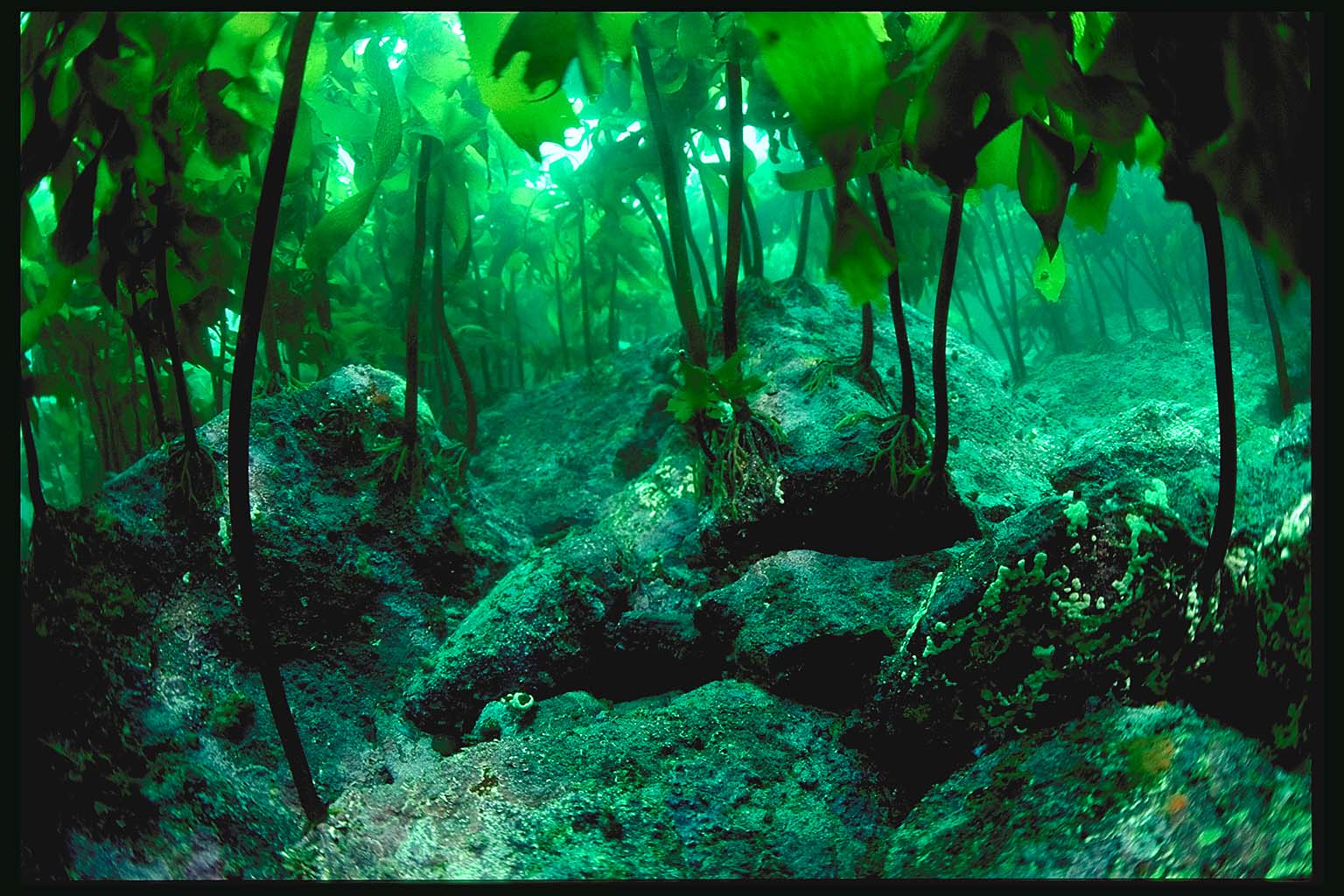
Dive in with me, my kelp forest can be lonely…

Writing fiction is way more intense than journaling.  I’m very unsettled by what’s come out of my brain the past few weeks.

Oil painting reproductions: Arthur Rackham: Pandoras Box

I actually can’t put words to it, even to give you juicy details to laugh about. I am a veteran of fifteen years of intense self-enquiry…and twenty-five pages of fiction just left me flummoxed. I’m not sure what to say, except that I have discovered a potent and terrifying new tool, one I am rather afraid to use.

Novelist Shawn Klomperans recently said, “Writing a book shouldn’t be therapeutic; you should need therapy after writing one.”

I read that on Twitter a few weeks ago and while I thought it was funny, I didn’t get it.

After this week though, I get it.

Needless to say, I’ve been avoiding writing the novel. It’s now linked in my mind with Things I’d Rather Not Think About. It made me sick all last week, complete with fever! However, with only ten more days to go, I’ve decided to confront my demons head on and keep writing, despite a 16K word deficit. Onward! Upward! And I will run for cover if need be.

Also, be forewarned, there’s no way I’m ever going to let anyone read the damn thing.

People assume that because I am an editor I am a Grammar Nazi.  Not so! I’m probably more of a Grammar Hypocrite, or a Grammar Hippie (second definition.)

Sure, I can’t help noticing errors on menus and each time I hear a Coloradan say “more slower” I am tempted to run home–rather quickly–to Massachusetts. The grammatic gymnastics I hear daily are eye-popping. When people ask me though, I say I’m not really a big grammar person. I actually find it tedious and constrictive and I have very little enthusiasm for it. I loathed studying it in school. (Though please note my correct usage of the m dash and hyphen in this paragraph. I just read up on it.)

Like Stephen Fry, I delight in the creativity and evolution of language. This fantastically satisfying video, courtesy Michelle Bar-Evan, epitomizes my thoughts on the subject:


My time in Colorado has shown me that so called Proper English is just colloquial of a haughtier kind. People here think they are speaking “correctly,” which I find amusing, just as my Massachusetts English sounds more correct to me, but probably ear-grating to a Brit.

The other day someone said to me, “They think they know the language but they can’t hardly even speak it!” I catch myself falling into odd speech patterns myself, because when you work with people you start to mimic them. I did this with my British colleagues and now say “rather” a lot more, and I end my questions with rounded lilts. A co-worker from Kentucky made the phrase “Well, you know what you might could do,” want to fall off the tip of my tongue years later. I worry that if I go home people will be shocked and horrified that I sound like a hick, and I won’t even realize anymore.

And then I see the word of the day on Urban Dictionary and I toss my concerns in the trash. This crazy time we live in is just as explosively creative for our language as it was when Shakespeare was writing, before the status conscious writers of English grammars got a hold of it and made every effort to squeeze the life out of it. Did you realize English grammar that we know today is based on Latin grammar? Or that members of the British lower middle class wrote them to try and replicate upper class speech patterns in order to make a quick buck off would-be social climbers during the Industrial Revolution? English grammars were essentially the same as the “get rich quick” trash that is on shelves everywhere today.

Lightning strikes The Statue of Liberty. So much for freedom.

(I had to pause after that last statement. Am I still here? Yes. All right then, continue.)

I say drop the snottiness and join the fray. Contribute your own words to Urban Dictionary and delight in the vibrant world we live in. (And learn some grammar so you can write well when you want to, and so you can work on your grammar stalking skills.)

http://www.urbandictionary.com/

Let me know if you add any words. One I added a few years back was “defission,” a combination of depression and fission. I’m still trying to get around to adding “boyfriended.” That’s when a single friend suddenly disappears because of a new relationship.

Ok, go!

Meet my favorite drag queen, Hedwig. She is the eloquent, elegant, trashy and sad would-be rock star phenomenon of  Hedwig and the Angry Inch, another all time favorite movie and soundtrack of mine. And, in keeping with our candy theme, here is her rendition of  ‘Sugar Daddy.’ (Be sure to read the lyrics!)

Hedwig and the Angry Inch- Sugar Daddy – YouTube.

Hedwig, originally an East German boy named Hansel, was so desperate to leave his repressive home –this is before the fall of the Berlin Wall, remember–that he agreed to be smuggled out of the country by a handsome American Marine. The only catch? He had to use his mother’s passport.

My sex change operation got botched/

My guardian angel fell asleep on the watch/

Now all I’ve got is this barbie doll crotch/

I’ve got an Angry Inch!

Admit it. You are a little bit curious. That’s okay because you really should be.

For the back story (literally) watch  The Story of a Gummibaerchen (that means Gummi Bear in German.) The clip is vaguely NSFW but only because Hansel/Hedwig is flesh and blood and not marble like the Sleeping Hermaphrodite below.

Upon re-watching this I was thrilled to remember just how delightful it is to watch Hedwig. Her delicious use of language is like a swirled rainbow lollipop. Every minute she presents us a colorful new surprise, and we can’t help but follow the trail of sweet treasures offered up by this master storyteller. This film is truly one of the finest chapters in the history of film, as far as I am concerned.

‘Sleeping Hermaphrodite’ ~ Currently on display as part of the ‘Aphrodite and the Gods of Love’ exhibit at the Boston Museum of Fine Arts.

Aphrodite and the Gods of Love | Museum of Fine Arts, Boston.

Not long after Hedwig’s transformation and migration to the Candy Land of America, the great Berlin Wall came tumbling down, seemingly out of nowhere. I remember it well, though mostly as Jesus Jones singing Right Here Right Now.

That tempting candy must have tasted just a little bittersweet.

~~~~~~~~~~~~~~~~~~~~~~~~~~~~~~~~~~~~~~~~~~~~~~~~~~~~~~~~~~~~~~~~~~~~~~~~~~~~~~~~~~~~~~~~~~~~~~~~~~~~~~~~
Read part one in the series, Musical Movie Candy Part One–Marie Antoinette.

~~~~~~~~~~~~~~~~~~~~~~~~~~~~~~~~~~~~~~~~~~~~~~~~~~~~~~~~~~~~~~~~~~~~~~~~~~~~~~~~~~~~~~~~~~~~~~~~~~~~~~~~
Looking for a writing prompt? Look no further! May I introduce you to:

“The Problem with Pandas,” by Melissa Gable

"The Problem with Pandas" by Melissa Gable

http://society6.com/product/The-Problem-with-Pandas_Print

Please do keep us posted on further developments. Feel free to link to your website in the comments, unless you are selling Viagra or something.

There’s clearly no need for it at this party.

~~~~~~~~~~~~~~~~~~~~~~~~~~~~~~~~~~~~~~~~~~~~~~~~~~~~~~~~~~~~~~~~~~~~~~~~~~~~~~~~~~~~~~~~~~~~~~~~~~~~~~~~

Like what you see? Why not subscribe?

There’s a happy little button to your right…yes, that one! No wait, not that…higher…wait, oh! Yes, that’s the one! Ahhh…perfect.

~~~~~~~~~~~~~~~~~~~~~~~~~~~~~~~~~~~~~~~~~~~~~~~~~~~~~~~~~~~~~~~~~~~~~~~~~~~~~~~~~~~~~~~~~~~~~~~~~~~~~~~~